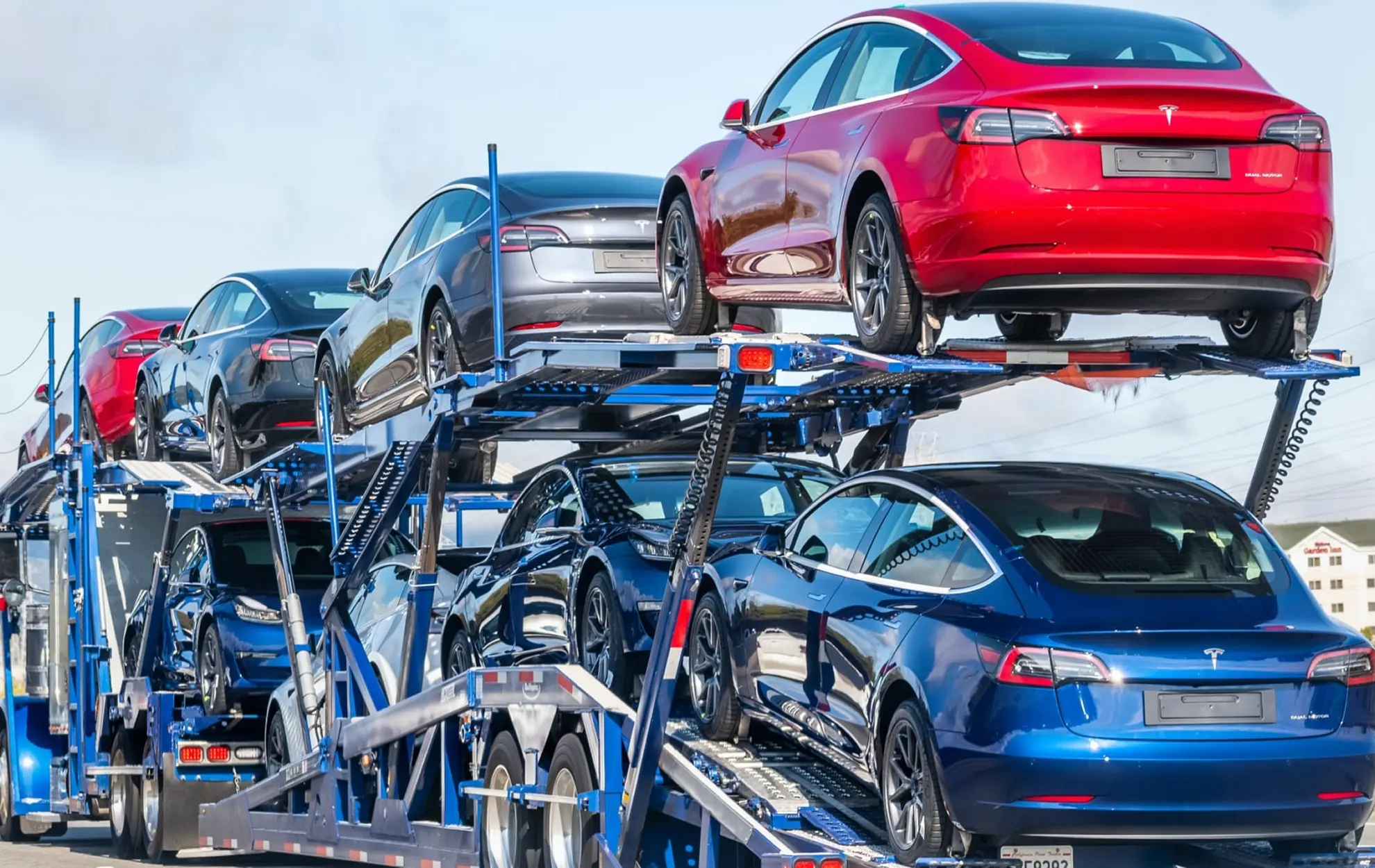
Idaho requires a title, VIN inspection, and proof of ownership before a vehicle can be registered. New residents must complete the inspection at a DMV office within 30 days of moving to the state and can renew online or by mail. No statewide emissions test is required, but Ada County (which includes Boise) may have specific checks for older diesel trucks. [Idaho DMV]
In Boise City, street parking often needs a residential permit, especially in downtown and near the Riverfront. Time‑limited zones restrict parking to two‑hour blocks on weekdays, and overnight parking is prohibited in many commercial districts. Knowing these rules helps avoid tickets during an auto transport drop‑off. [City of Boise]
Idaho’s tint law allows front side windows to transmit at least 35% of visible light, while rear windows may be darker. There is no statewide frame‑height restriction for trucks, but commercial vehicles must meet federal size standards. Emission testing is only required in a few counties outside Boise, so most car‑shipping customers won’t need a test. [Idaho DMV]
Winter weather in Boise calls for snow tires or chains, especially on mountain passes. Battery performance drops in cold temperatures, so a portable charger can be useful. Clearing snow from the undercarriage before a transport protects the vehicle’s suspension and exhaust. These steps keep the car in good shape during long hauls. [Idaho Weather Service]
Idaho is a fault‑state with minimum liability limits of $25,000/$50,000/$15,000 for bodily injury and property damage. Drivers must carry proof of insurance when registering a vehicle, and many lenders require higher coverage for financed cars. Checking that the policy meets state minimums avoids registration delays for car shipping. [Idaho Insurance Commission]