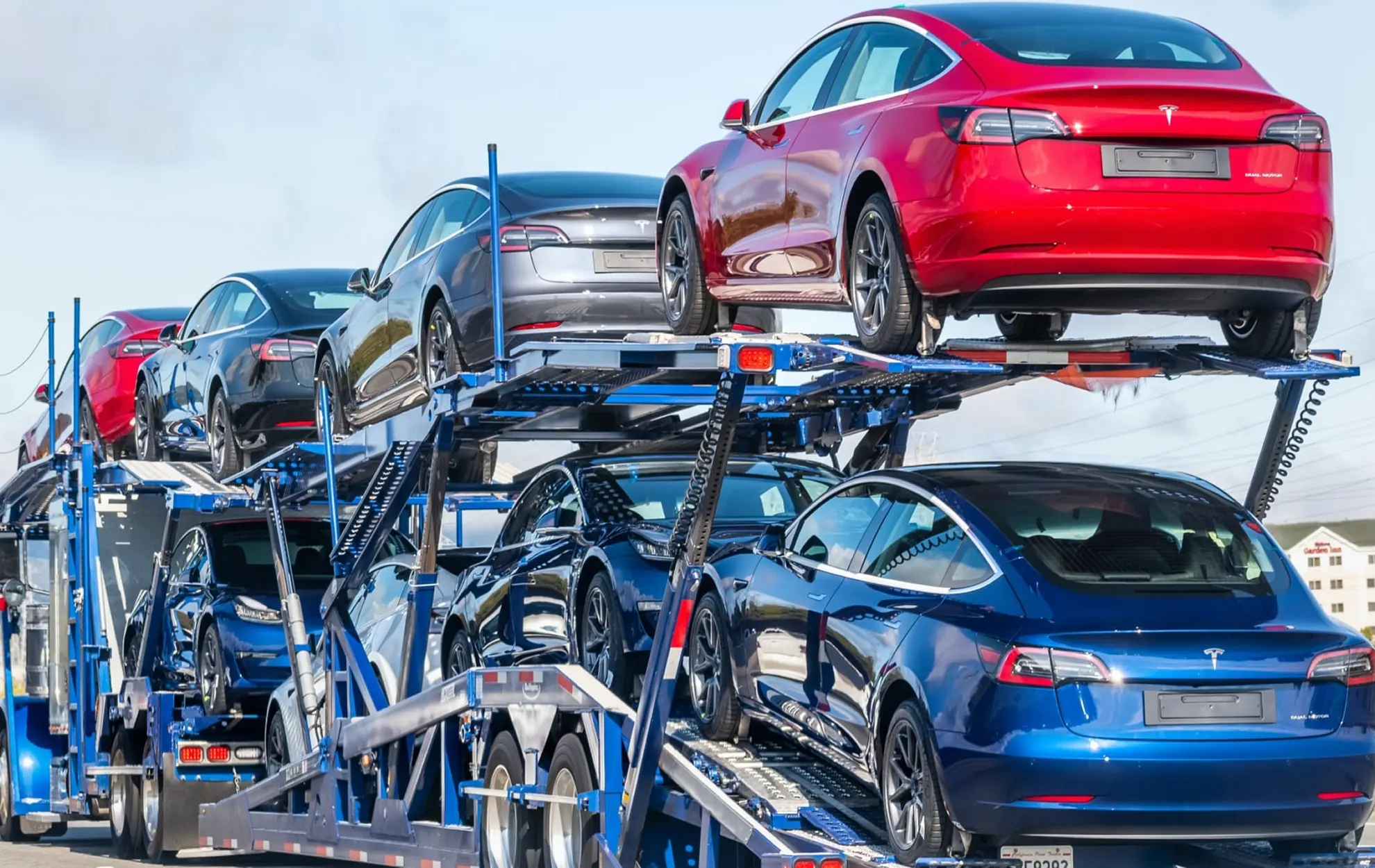
Car shipping in Montana may seem complex, but it follows a simple, repeatable process. Whether you’re moving from Billings to Denver or sending a classic to Florida, understanding the steps helps you stay in control.
First, know the two players. A broker, like Sakaem Logistics, works as a match‑maker. They do not drive the truck; they locate a carrier— the company that actually transports your vehicle. Reputable brokers vet carriers for insurance, licensing, and reviews.
Step 1 – Contact a broker. Give the pickup and delivery locations, vehicle details, and preferred timing. The broker provides a quote and explains options such as open vs enclosed trailers.
Step 2 – Broker selects a carrier. A good broker partners only with carriers that have clean safety records and proper cargo insurance. The broker shares the carrier’s name, expected pickup date, and any special instructions.
Step 3 – Pickup day. The carrier arrives with a flatbed or enclosed trailer. You must clear the car of personal items, ensure it rolls freely, and leave about a quarter tank of fuel. The driver inspects the vehicle and records its condition.
Step 4 – The auto transport journey. The carrier secures the car, drives to the destination, and monitors weather or road conditions that could affect timing. For high‑value or classic cars, an enclosed trailer adds extra protection.
Step 5 – Delivery. The driver unloads the vehicle, walks you through the final condition report, and you sign off. Payment is made to the broker or carrier at pickup or delivery, depending on the agreement.
Things to remember: Use an enclosed trailer for luxury or collectible cars. Remove all loose items and personal belongings. The car must be in running condition and able to roll onto the trailer. Keep the fuel tank at roughly 25 % to reduce weight but allow the carrier to move the vehicle.