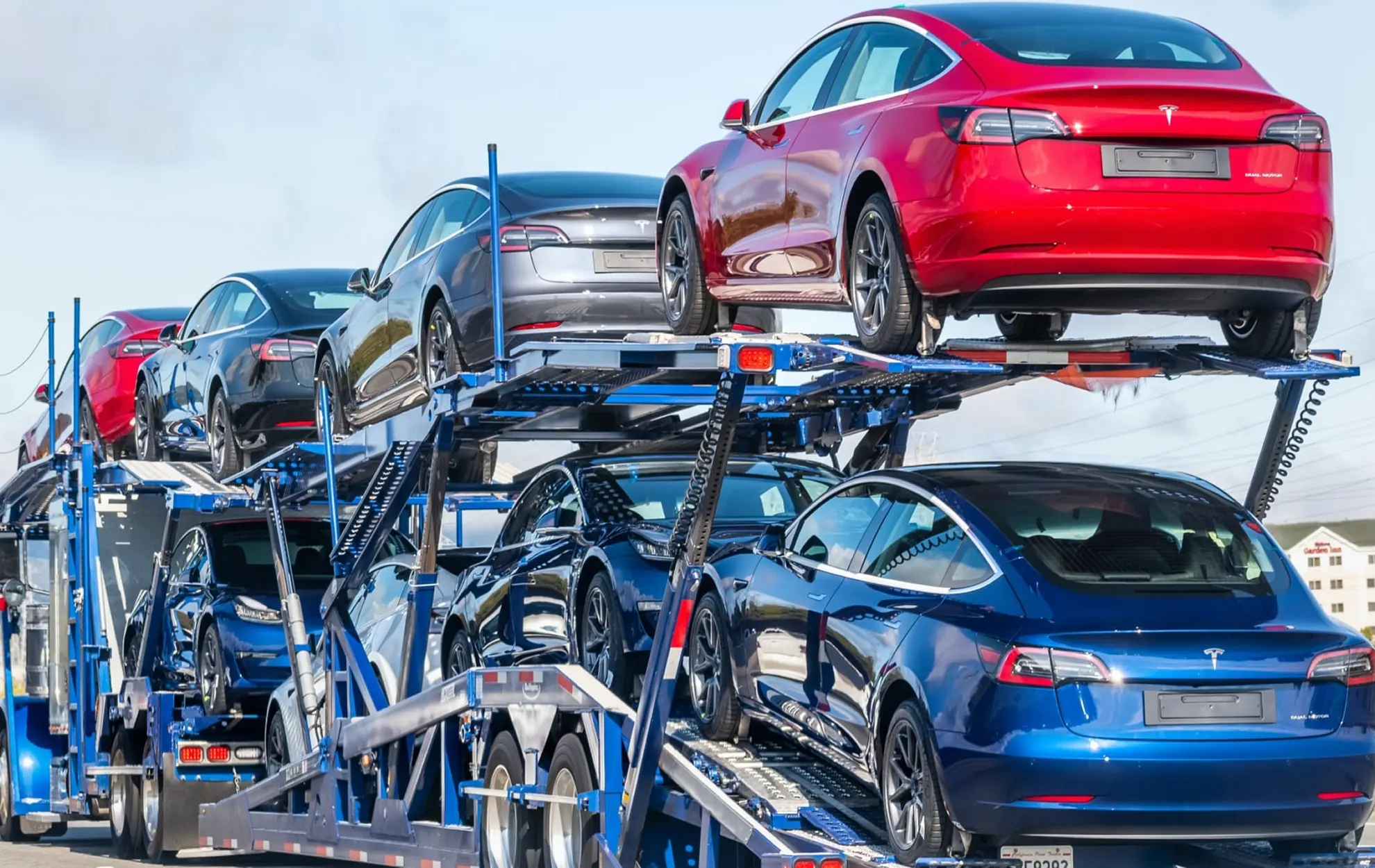
Car shipping, also called auto transport, can feel confusing if you’ve never done it before. In North Carolina the process is straightforward once you know the basic steps. This 101 guide walks you through what happens from the moment you decide to move your vehicle to the moment it arrives at its new home. Understanding the flow helps you feel confident and avoid common surprises.
The first decision is whether you work with a broker or a carrier directly. A broker, such as Sakaim Logistics, does not own trucks; instead, they match you with a carrier that has space on a scheduled load. The carrier is the company that actually drives the truck and moves your car. Choosing a reputable broker matters because they vet carriers for safety records, insurance coverage, and customer reviews, ensuring a reliable auto transport experience.
Here is the typical timeline: 1) Call a broker to request a quote and share your pickup and delivery details. 2) The broker finds a carrier that fits your route and vehicle type. 3) The carrier schedules a pickup, arrives at the agreed time, and loads your car onto an open or enclosed trailer. 4) The carrier transports the vehicle to the destination in North Carolina or beyond. 5) Upon delivery, you settle payment with the broker or carrier, depending on the agreement. Each step is coordinated so you always know where your car is.
A few practical tips make the transport smoother. For high‑end or classic cars, request an enclosed trailer for extra protection. Remove all personal items and clear the interior before the driver arrives. The vehicle must be able to roll, so make sure the wheels turn freely and the battery is connected. Finally, keep about a quarter tank of gas; this helps the carrier move the car onto the trailer without extra fuel stops. Following these guidelines ensures a safe, hassle‑free car shipping experience in North Carolina.