Car Shipping in Virginia: 2026 Costs & Routes

Last updated: February 2026

Mike De Candia
Certified by:
Mike De Candia
Mike started working for SAKAEM in 2012 and has been successfully transporting cars ever since.
Pete Bottino
Sakaem is operated by:
Pete Bottino
Pete has been in the transportation industry for nearly 40 years and launched SAKAEM back in 2012.
The SAKAEM Price Match

We guarantee to match any price you find. We are experts at finding the best price for your shipment and getting the best value for your money.

STATE OVERVIEW

Car Shipping in Virginia

Since 2012, our scrappy team has fought the big-broker monopoly to give you honest, affordable car shipping across Virginia and beyond. With decades of hands-on auto transport experience and a trail of five-star reviews, we break down the process, costs, and tips you need to move your vehicle confidently. Read on for clear, transparent guidance on Virginia car shipping.

Average Cost FROM Virginia

$875 – $1,225
Based on recent shipments

Average Cost TO Virginia

$775 – $1,300
Based on recent shipments

Top Destination States from Virginia

1
California
1735 shipments
$1,075 – $1,300
2
Texas
865 shipments
$925 – $1,100
3
Florida
566 shipments
$750 – $900
4
Arizona
495 shipments
$1,075 – $1,175
5
Washington
433 shipments
$1,225 – $1,525
TOP DESTINATIONS

Popular Destination States from Virginia

The most common destination states for car shipping from Virginia, showing average costs and popular city pairs. Data based on recent shipments handled by Sakaem Logistics’ verified carrier network.

Top 10 Destination States Updated: February 2026
Rank Destination State Avg Cost Range Popular Route
1 California $1,075 – $1,300 Norfolk to San Diego
2 Texas $925 – $1,100 Alexandria to Houston
3 Florida $750 – $900 Gainesville to Naples
4 Arizona $1,075 – $1,175 Lansdowne to Tempe
5 Washington $1,225 – $1,525 Arlington to Seattle
6 Colorado $1,050 – $1,275 Arlington to Denver
7 Oregon $1,250 – $1,525 Arlington to Portland
8 Georgia $625 – $725 Alexandria to Savannah
9 Nevada $1,075 – $1,450 Alexandria to Las Vegas
10 New York $575 – $700 Newport News to Middletown
VA CAR SHIPPING

Key Takeaways From This Article

TESTIMONIALS

What SAKAEM’s Customers are Saying

Google logo
First time shipping a car to Michigan. Signed a contract with a broker and last minute the truck broke down and he could not find a driver and then the price went up. Scrambled at the last minute and we reached out to Sakaem and talked to Jack. Told him about our situation and he was very understanding and he was able to get our truck to Michigan without any problems. They could haven taken advantage of the situation but they didn’t. Also the driver was very nice. Thank you Jack!!!
Sandy Kanaski
Apr 2025
Google logo
Thank you Sakaem Logistics, for a job well done!!!!! I’m a Merchant Mariner in VA, just back in off of deployment. I called you on Tuesday the vehicle was on the trailer on Wednesday and I received the vehicle on Thursday 10/10/23. GA to VA, Ivan from Ukraine was the best!!! Thanks once again Ivan, again prayers to you a nd your family back home. Respect!! Darryl C ATL
Darryl M. Cooper
Aug 2023
Google logo
They are very professional. Quick to respond. My car is in great shape and delivered in 3 days. They get great drivers. 10/10 recommend for when you are moving and are stressed and when looking at other companies. They may be a bit late, but they won’t leave your car stranded or broken like other companies I was looking into. Also I barely write reviews but this is for people who are already having a hard time moving and have to think about getting their car moved like I did.
tanja vidic
Aug 2024
WHY CHOOSE SAKAEM?

Let us handle shipping your car in Virginia

EXPERIENCE

Trust the experts with your car relocation. Years of experience mean your vehicle is well taken care of. A strong track record of safety and service lets you relax, knowing your car is in good hands.

TRANSPARENCY

Understand what your quote includes and the quality you’re paying for when shipping with a reputable carrier. Fair and transparent pricing lets you confidently book your car transport.

AFFORDABILITY

There are no upfront costs when booking. Don’t pay for your service until you receive it. Book your shipment and pay your deposit when the truck is dispatched for pickup.

PERSONALIZED

Have a team ready to assist you with a smooth shipping process. Our team aims to customize your booking to fit your individual needs while addressing your questions and concerns.

COMPREHENSIVE

Enjoy one point of contact from start to finish for a hassle-free shipping process. Your dedicated advisor will expertly guide you through each step for easy auto transport.

INSURED

All carriers are vetted through FMCSA for valid insurance. Trust our experts to select a safe, highly vetted carrier and deliver your vehicle securely to its destination.

KEY FACTORS

Factors that Affect Car Shipping Costs in Virginia

Distance

Distance directly drives fuel, labor, and wear costs. The longer the miles between pickup and delivery in Virginia, the higher the price. Short hauls may fit into a single driver’s day, while cross‑state trips require more resources, raising rates.

Season

Season influences demand and driver availability. Summer and holiday periods see spikes in bookings, pushing rates up as carriers prioritize higher‑pay loads. Conversely, winter and early spring often have fewer requests, allowing lower prices and more flexible scheduling for Virginia shipments.

Route

Route choice affects tolls, highway speeds, and detour frequency. Major interstates across Virginia allow faster, fuel‑efficient travel, lowering costs. Smaller coastal or mountain roads often demand slower speeds and extra mileage, which can increase the shipping price noticeably.

Vehicle Type

Vehicle type matters because size, weight, and loading difficulty affect trailer space and fuel consumption. Standard cars fit easily on open decks, keeping costs low. Larger SUVs, trucks, or low‑clearance vehicles need more handling, sometimes special equipment, raising the price.

Traffic Considerations

Traffic considerations focus on peak travel times that can delay drivers and increase fuel use. Shipping during the week before Thanksgiving or major Virginia events often means slower progress and higher labor costs. Choosing off‑peak windows can help keep rates down.

Carrier Availability

Carrier availability reflects how many trucks are ready to take a load. During peak seasons, carriers fill up quickly, causing longer wait times and higher prices as demand outstrips supply. In off‑season periods, more carriers are free, often resulting in faster service and lower costs.

Population Density

Population density affects access fees and loading logistics. Urban areas like Richmond or Virginia Beach often require permits, tighter streets, and more handling, which can increase costs. Rural locations may have longer deadhead miles but fewer congestion fees, balancing the overall price.

Tips & Tricks for Saving on Vehicle Shipping

1

Off Season Savings

Shipping your car in Virginia’s off‑season, such as late fall or early spring, often costs less because demand drops. Even a few weeks away from snowbird peaks can shave off fees.

2

Flexible pickup & delivery

Choosing pickup or drop‑off points near major highways in Virginia can lower carrier costs. Trucks avoid narrow streets, saving time and fuel, which translates into cheaper rates for you.

3

Hub city advantages

Select a hub city like Richmond or Norfolk that sits at highway intersections. More carrier options mean competitive quotes, and the streamlined route often reduces overall shipping expenses.

4

Weather considerations

Check Virginia’s seasonal weather before scheduling. Harsh winter storms or summer heat can delay transport and raise costs, so planning around milder months helps keep your budget stable.

5

Booking in advance

Reserve your Virginia car shipment weeks ahead to lock in lower prices. Early bookings give carriers time to plan routes efficiently, avoiding last‑minute surcharges and securing better rates.

6

Open carrier transport

Open trailers are the most cost‑effective choice for standard vehicles. They protect the car enough for most shipments, while enclosed trailers add premium protection and a higher price tag.

7

Flexible dates

If you can work within a five‑day pickup and delivery window, carriers often lower rates. Flexibility lets them consolidate loads, reducing miles driven and cutting your shipping cost.

8

Compare quotes

Get multiple quotes from reputable auto transport companies to find the best deal for your Virginia car shipping needs. We will match any competitor’s quote.

Moving Insights

Things to Know About Moving to/from Virginia

Professional auto transport service for Virginia moves

Virginia requires a new resident to obtain a Virginia driver’s license and register any vehicle within 30 days of moving. The DMV issues a title‑and‑registration packet that includes a temporary tag for auto transport or car shipping while the permanent plates are processed [DMV]. An emissions inspection is mandatory in the Northern Virginia, Hampton Roads, and Richmond‑area districts; the test must be completed before the vehicle can be titled, so plan to schedule it before shipping the car to Virginia [DEQ].

Tinted windows are allowed, but front side glass must let in at least 35 % of light; rear windows may be darker, and any violation can delay registration or auto transport clearance [DMV]. Drivers should also verify vehicle height clearances on low bridges in the Appalachian region, especially when transporting trucks or SUVs. For those moving to Virginia, consider winter tires for the Shenandoah and Blue Ridge areas, as snow and ice are common in winter months.

Virginia’s minimum liability coverage is $25,000 per person, $50,000 per accident, and $20,000 for property damage, and insurers must offer uninsured‑motorist protection [VSP]. When shipping a car, keep the title, proof of insurance, and inspection reports handy to avoid delays in registration and to meet state‑wide insurance requirements.

FREQUENTLY ASKED QUESTIONS

Virginia Vehicle Transport FAQs

Our team has been in the car shipping industry for a long time. We worked for some of the largest brokers and knew there was a better way to do things.

So we set out to create a company that would be different. We want to walk you through how the process works and we guarantee to match any price you hear from a competitor.

We’re a scrappy team that looks forward to earning your business.

Before your car leaves Virginia, follow these quick steps to keep it safe and avoid delays:

  • Clean and inspect. Wash the exterior and take photos of any existing dents or scratches. This helps you verify the vehicle’s condition when it arrives.
  • Remove personal items. Take out all loose objects, toll tags, GPS units, and anything that could shift or break during transport.
  • Check fluids and battery. Ensure the oil, coolant and windshield‑washer fluid are at proper levels, and that the battery is charged. A low battery can prevent the carrier from moving the car onto the trailer.
  • Leave a little fuel. Fill the tank to about a quarter full. This is enough for the carrier to maneuver but not so much that extra weight becomes an issue.
  • Secure accessories. Remove roof racks, bike racks, spoilers, and any aftermarket parts that aren’t bolted to the frame.
  • Disable alarms and anti‑theft devices. Give the carrier a working key (or two) and turn off any alarm systems that could trigger during loading.
  • Document the mileage. Write down the odometer reading and include it in your shipping paperwork.

For a full checklist, see our Vehicle Shipping Tips page.

Yes, your vehicle is insured when you ship it in Virginia with Sakaem Logistics. All carriers we work with must carry at least $1,000,000 in liability insurance and $100,000 in cargo insurance. Before a carrier is assigned, we verify that its policies are active and in good standing for the entire transit period. This coverage protects you against loss or damage while the vehicle is in the carrier’s care.

If you want additional protection, you can purchase optional supplemental insurance through us or your own insurer, but the basic coverage is already included in every quote.

We recommend booking your pickup at least 14 days ahead of time. This window lets carriers bundle your vehicle with other shipments in Virginia, which keeps costs low and ensures a spot on the truck. If you need a tighter schedule, let us know as soon as possible—last‑minute requests can be harder to fit and may carry a premium.

We accept all forms of payment. We can arrange credit cards or arrange for you to pay the carrier directly through cash/certified check. We even accept payment via Cash/Zelle/Venmo.

Your shipment with SAKAEM includes up to 100 lbs of personal items or household goods stored in the trunk area or secured below the window line. If your shipment includes ocean transit (Hawaii shipments), your vehicle must be emptied of all items. SAKAEM and your assigned carrier are not responsible for personal items left inside your vehicle. See our Auto Transport Process Article for more details.

A designated (adult) must be present at pickup and delivery. This designated person plays an important role in the shipping process including documenting the state of the vehicle and signing the Bill of Lading, which acts as a receipt of the vehicle’s condition.

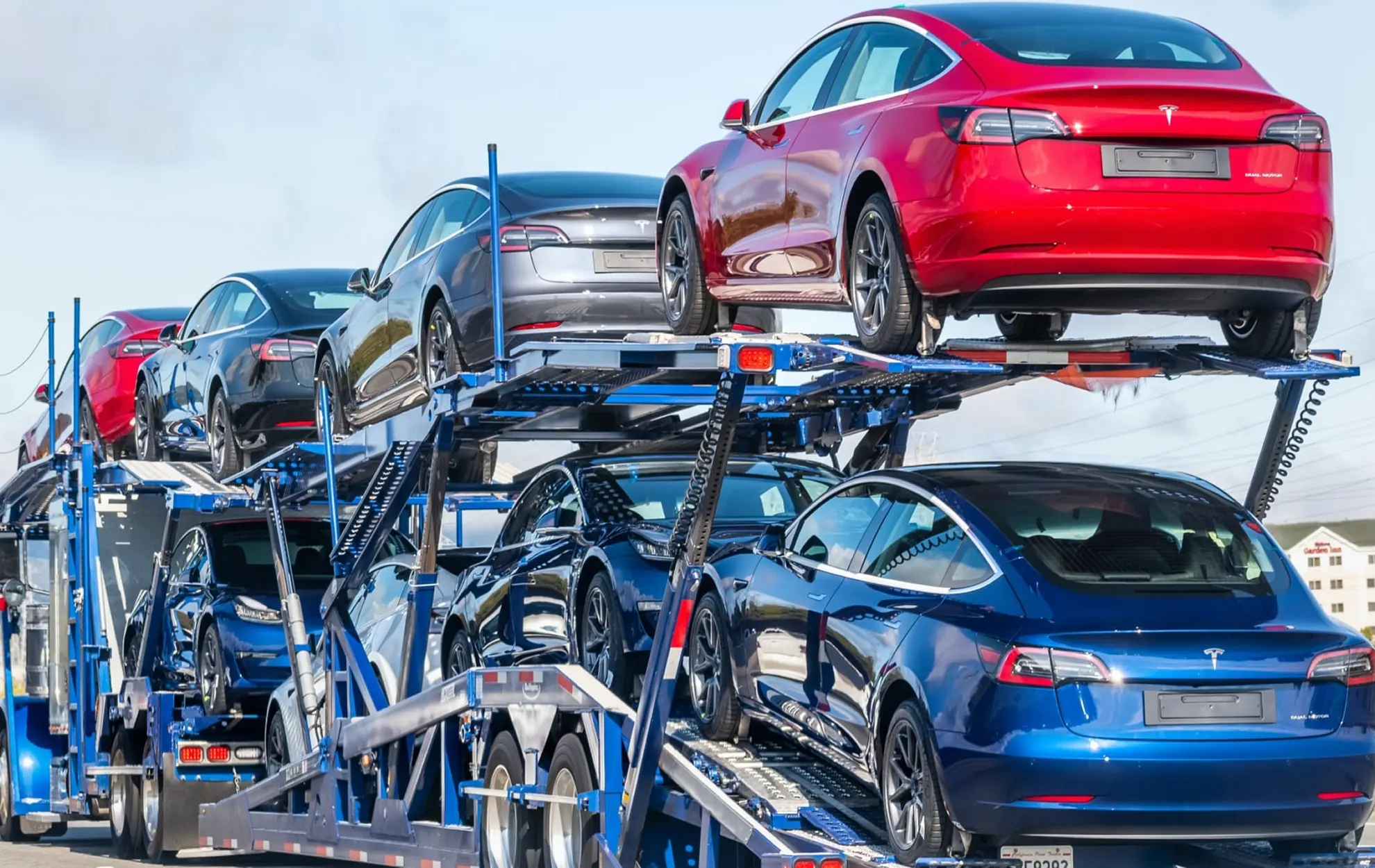
Open transport uses a standard multi‑car trailer with the vehicles exposed to the elements. It is the most common choice, costs about 30‑40% less than enclosed service, and is perfectly fine for everyday cars, trucks, or SUVs that are not collectors’ items. In Virginia, open carriers handle routes from the coastal ports to inland cities without extra weather protection.

Enclosed transport places each vehicle inside a fully covered trailer. The enclosure shields the car from rain, sun, dust, road debris, and potential vandalism. Because the trailer holds fewer cars, the price is typically 50% higher than open shipping. This option is best for classic cars, luxury models, vehicles with custom paint, or any high‑value auto that you cannot risk exposure.

Both open and enclosed services are insured and meet federal safety standards. The main trade‑off is cost versus protection: choose open for budget‑friendly, standard shipments, and choose enclosed when protecting a valuable or delicate vehicle outweighs the extra cost.

Yes, Sakaem Logistics provides door‑to‑door auto transport throughout Virginia. When you book, we ask for the exact pickup and delivery addresses you want. As long as the location can be reached by a transport truck, the carrier will collect the vehicle from your door and deliver it to the door at the destination.

If a driveway is too narrow, a street has weight limits, or another safety issue arises, we will work with you to choose a nearby safe spot such as a gas station or parking lot. This applies to both inbound and outbound shipments and covers all vehicle types, from compact cars to large trucks.

Our scrappy team started in 2012 to give you value and break the broker monopoly, and our high‑rating reviews show that customers trust us for reliable, transparent service.

We transport sedans, SUVs, pickup trucks, electric vehicles, vans and motorcycles across all 48 continental states + Hawaii. Our services even provide shipment for golf carts, ATVs, or RVs. We can ship vehicles that don’t run so long as the vehicle can roll, brake, and steer, and that you can provide the carrier with a key to the vehicle. The only exception is boats, which we do not transport.

Visit SAKAEM Logistics’ FAQ page to learn more about car shipping!

DID YOU KNOW?

Fun Facts About Virginia

Discover interesting insights about the state you’re shipping to or from

Virginia, the Old Dominion, blends coastal charm, mountain vistas, and a rich colonial past—perfect for anyone shipping a car to or from the state.

  • Geography: From the Atlantic shoreline to the Blue Ridge Mountains, Virginia offers over 3,000 miles of roads winding through forests, rivers and beaches.
  • Key Cities: Richmond’s historic downtown, Norfolk’s bustling port, and Virginia Beach’s boardwalk make popular drop‑off points for vehicle shipments.
  • History: As the birthplace of eight U.S. presidents, Virginia’s heritage sites often attract new residents and car‑enthusiasts alike.
  • Vehicle Law: Virginia requires a temporary 30‑day registration for out‑of‑state vehicles, so shippers should advise buyers to arrange this quickly.
  • Climate: Mild winters in the east and cooler mountain temps mean drivers can expect snow in the west but mostly rain elsewhere.
  • Economy: Strong aerospace, defense, and tech sectors fuel steady demand for reliable transportation and vehicle logistics.
  • Population: Over 8.6 million people live here, with a growing suburban mix that often moves homes and cars.
  • Unique Charm: Virginia’s “Mother of Presidents” nickname and its scenic Skyline Drive make road trips memorable for anyone behind the wheel.
Car Shipping 101

How Auto Transport Works

Shipping a car from Virginia doesn’t have to be confusing. This quick 101 guide walks new customers through every stage of auto transport, so you know exactly what to expect from the moment you request a quote until your vehicle arrives at its new home.

In the auto transport world, a broker and a carrier play different roles. A broker, like Sakaem Logistics, acts as the match‑maker, connecting you with a carrier that actually moves the vehicle. The carrier owns the truck or trailer and handles the physical transport.

Step one: call a reputable broker for a free quote. The broker gathers details such as vehicle size, pick‑up and drop‑off locations in Virginia, and any special handling needs. This information lets the broker provide an accurate estimate and set the schedule.

Step two: the broker selects a carrier with solid reviews, proper licensing, and adequate insurance. Choosing a trustworthy broker ensures you are paired with a carrier who meets safety standards and can protect your car during the journey.

Step three: the carrier arrives to pick up your car. They will verify that the vehicle rolls, has about a quarter tank of fuel, and is cleared of personal items. After loading, the carrier transports the car to the destination, where you or a designated person signs off on delivery and completes payment to the broker or carrier.

Helpful tips for a smooth transport: use an enclosed trailer for high‑value or classic cars; remove all trash, loose objects, and personal belongings; make sure the car can roll on its own wheels; keep the fuel tank at roughly 25 % to reduce weight while still allowing movement. Inspect the vehicle for any pre‑existing damage and take photos before the carrier loads it.